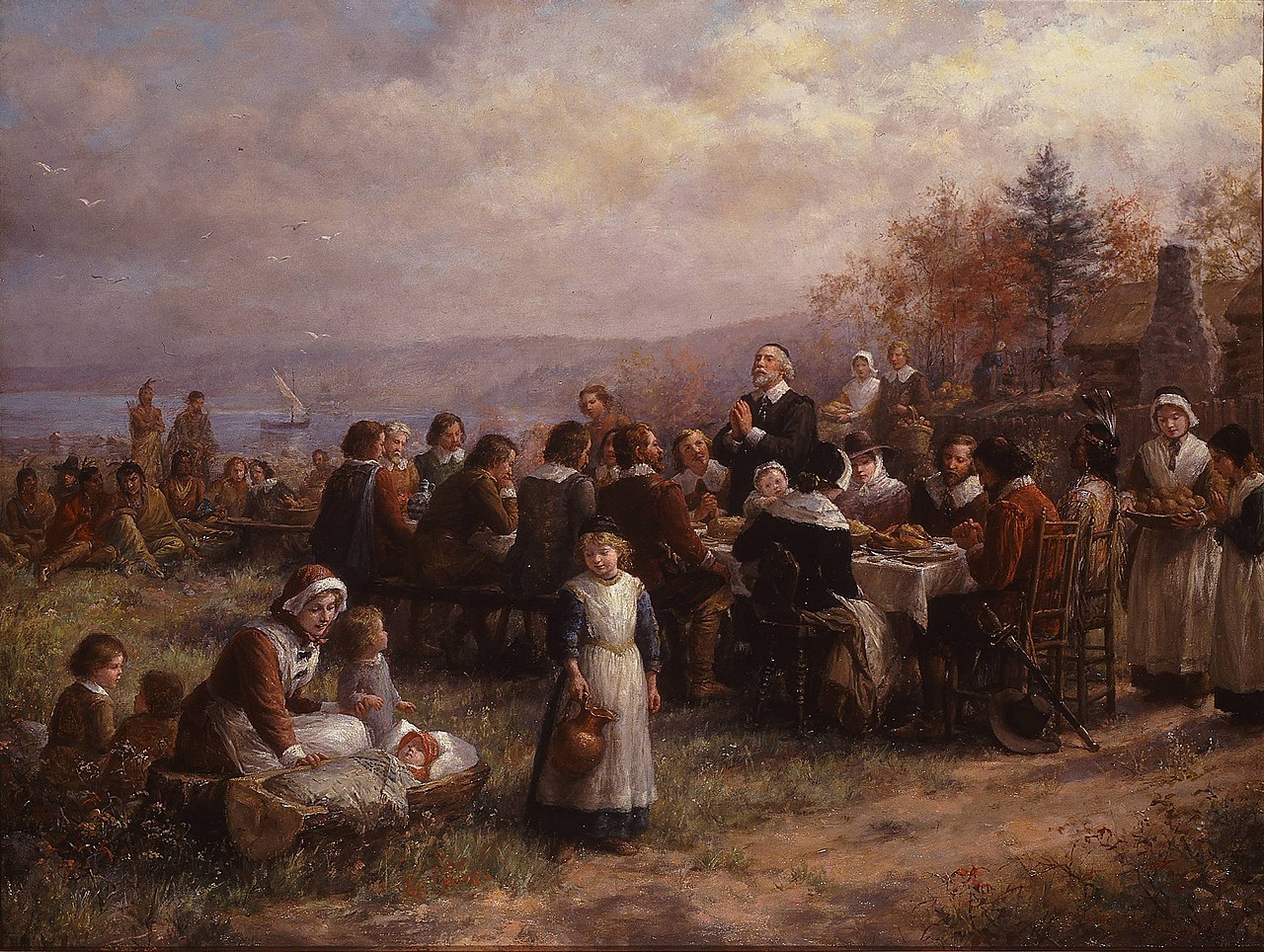
The Enduring Tradition of Thanksgiving: More Than Just a Feast
Thanksgiving is a uniquely American holiday, a beloved annual tradition synonymous with family gatherings, bountiful feasts, and a spirit of gratitude. Unlike many other major holidays like Christmas or Valentine's Day, which fall on fixed calendar dates, Thanksgiving has a floating date. Yet, its placement is consistent: it always falls on the fourth Thursday of November. This distinctive timing not only shapes when families travel and celebrate but also officially kicks off the holiday season, with the vibrant energy of Thanksgiving week setting the stage for Black Friday and the festive period to follow. But why this particular Thursday, and how did this tradition come to be?
The story behind Thanksgiving's peculiar placement is a fascinating journey through American history, economic considerations, and presidential decrees, ultimately cemented by an act of Congress. Understanding this history not only satisfies curiosity but also deepens appreciation for a holiday that has evolved considerably since its earliest observances.
A Journey Through Time: How Thanksgiving Got Its Date
The concept of giving thanks has roots stretching back to early colonial settlements, but the establishment of a national Thanksgiving holiday, and its specific date, took centuries to solidify.
Early Celebrations and Presidential Proclamations
While various colonies and states held their own days of thanksgiving throughout history, the idea of a unified national observance began to take shape after the American Revolution. The very first President, George Washington, played a pivotal role. At the request of the first Federal Congress, Washington issued a proclamation on October 3, 1789, designating Thursday, November 26, 1789, as a "Day of Public Thanksgiving." This marked the initial celebration of Thanksgiving under the new U.S. Constitution, setting an early precedent for a November Thursday.
However, this was not yet an annual, federally mandated holiday. Subsequent presidents continued to issue Thanksgiving proclamations, but the specific dates, and even the months, varied widely. There was no consistent national policy, leading to a patchwork of observances across the burgeoning nation.
Lincoln's Landmark Proclamation and National Unity
The call for a regular, national Thanksgiving truly gained momentum in the mid-19th century, largely thanks to the tireless advocacy of Sarah Josepha Hale, an influential editor and writer who spent decades campaigning for a unified holiday. Her efforts culminated in 1863, amidst the brutal backdrop of the Civil War.
President Abraham Lincoln, seeking to unite a fractured nation and offer a moment of reflection and gratitude, heeded Hale's plea. On October 3, 1863, Lincoln issued a proclamation declaring Thanksgiving a national holiday to be observed annually on the last Thursday of November. This decision marked a significant turning point, establishing Thanksgiving as a regular federal observance and cementing its place in the late autumn calendar, fostering a sense of shared tradition even during the nation's darkest hour.
"Franksgiving" and the Quest for Economic Revival
Lincoln's "last Thursday" tradition held for decades, but it faced a significant challenge during the Great Depression. In 1939, November had five Thursdays, meaning the last Thursday would fall on November 30th. This late date concerned businesses and retailers, who worried that a shortened Christmas shopping season (the period between Thanksgiving and Christmas) would further dampen the struggling economy.
Responding to these economic pressures, President Franklin D. Roosevelt decided to move Thanksgiving a week earlier, declaring it would be celebrated on the third Thursday of November that year. This controversial move, intended to boost retail sales and extend the holiday shopping window, was met with mixed reactions and even mockery, earning the new date the nickname "Franksgiving." Many states, preferring tradition over economic experimentation, continued to observe Thanksgiving on the last Thursday, leading to a confusing two-date holiday for several years. Families and travelers often had to contend with differing dates depending on their state, making planning for Thanksgiving week a logistical headache.
Congress Steps In: Solidifying the Fourth Thursday
The "Franksgiving" experiment highlighted the need for a definitive, universally recognized date for Thanksgiving. In response to the confusion and public debate, Congress intervened. On December 26, 1941, a joint resolution was passed and signed into law by President Roosevelt. This resolution officially declared Thanksgiving a federal holiday to be observed annually on the fourth Thursday of November.
This decision was a deliberate compromise. It ensured that Thanksgiving would consistently fall early enough in the month to allow for a reasonable Christmas shopping season, addressing the economic concerns that prompted "Franksgiving." At the same time, it maintained the long-standing tradition of a late-November observance, providing a clear and stable date for the nation to unite in gratitude. Since 1941, the fourth Thursday of November has remained the unwavering date for this cherished American holiday.
The Significance of the "Fourth Thursday" for Thanksgiving Week
The congressional decision to fix Thanksgiving on the fourth Thursday of November wasn't just about tradition or economics; it created a highly practical and beneficial structure for the holiday, impacting everything from family travel to national commerce.
- A Long Weekend for Travel: Placing Thanksgiving on a Thursday naturally creates a four-day weekend (Thursday through Sunday) for most Americans, especially with many businesses and schools closing on Friday. This extended break is crucial for travel, allowing families to journey considerable distances to gather with loved ones without needing to take excessive time off work or school. It transforms the entire Thanksgiving week into a period of anticipation and movement.
- Kickstarting the Holiday Shopping Season: The day after Thanksgiving, famously known as Black Friday, has become one of the busiest shopping days of the year. By ensuring Thanksgiving is always early enough in November, retailers gain a consistent window to launch their Christmas sales. This structured timing allows consumers to recover from their holiday feast and immediately dive into gift buying, generating significant economic activity crucial for businesses.
- Bridge to Christmas: The fourth Thursday ensures that Thanksgiving always falls between November 22nd and 28th. This timing provides a comfortable gap of approximately three to four weeks before Christmas, allowing families to transition smoothly from one holiday celebration to the next without feeling rushed or overwhelmed.
- School and Work Schedules: The consistent date simplifies planning for schools, universities, and businesses across the country. They can reliably schedule closures and breaks around the fixed fourth Thursday, making the entire Thanksgiving week a predictable period for students and employees alike.
Counting Down to Thanksgiving: Planning Your Holiday Week
Knowing that Thanksgiving consistently arrives on the fourth Thursday of November simplifies planning immensely, whether you're hosting a dinner, traveling across the country, or simply anticipating the long weekend. The excitement often builds in the weeks leading up to the holiday, making a countdown a fun and practical exercise.
Many people like to calculate exactly how many weeks or days are left until Thanksgiving to coordinate travel, plan menus, or finalize guest lists for the upcoming Thanksgiving week. While the date might change year to year, the rule remains fixed, making it easy to determine the precise day.
For those who love to plan meticulously, calculating the countdown is straightforward. You can easily pinpoint the exact date for any given year:
- Find November 1st on your calendar.
- Count forward to the first Thursday of November.
- Then, count three more Thursdays to arrive at the fourth Thursday.
For instance, if November 1st falls on a Monday, the first Thursday would be November 4th, making the fourth Thursday November 25th (4 + 7 + 7 + 7 = 25).
Beyond manual calculation, numerous digital tools, online calculators, and spreadsheet formulas can provide an exact countdown, down to the day and hour. These tools are invaluable for travelers needing to book flights or accommodations well in advance, or for hosts preparing an elaborate feast.
For more detailed methods on how to calculate your personal Thanksgiving countdown, whether you prefer traditional calendars or modern digital solutions, explore our guides:
- Learn how to accurately determine the remaining time with various techniques: How Many Weeks Until Thanksgiving 2026? Calculate Your Countdown
- Discover practical step-by-step instructions for using calendars and spreadsheet software: Calculate Thanksgiving Countdown: Calendar & Spreadsheet Methods
By keeping track, you can ensure your Thanksgiving week is as organized and joyful as possible, allowing you to focus on what truly matters: giving thanks.
Conclusion
The seemingly simple fact that Thanksgiving always falls on the fourth Thursday of November is a testament to a rich and complex history. From George Washington's initial proclamation to Abraham Lincoln's push for national unity, and Franklin D. Roosevelt's economic experiment, the holiday's date has been shaped by a blend of tradition, necessity, and national sentiment. Congress's final decision in 1941 provided the stability that Americans cherish today, giving families a predictable long weekend for travel and togetherness, and offering businesses a consistent start to the bustling holiday shopping season. As each November rolls around, the anticipation for Thanksgiving week remains a vibrant part of American culture, a cherished time when the nation pauses to reflect, gather, and give thanks.
